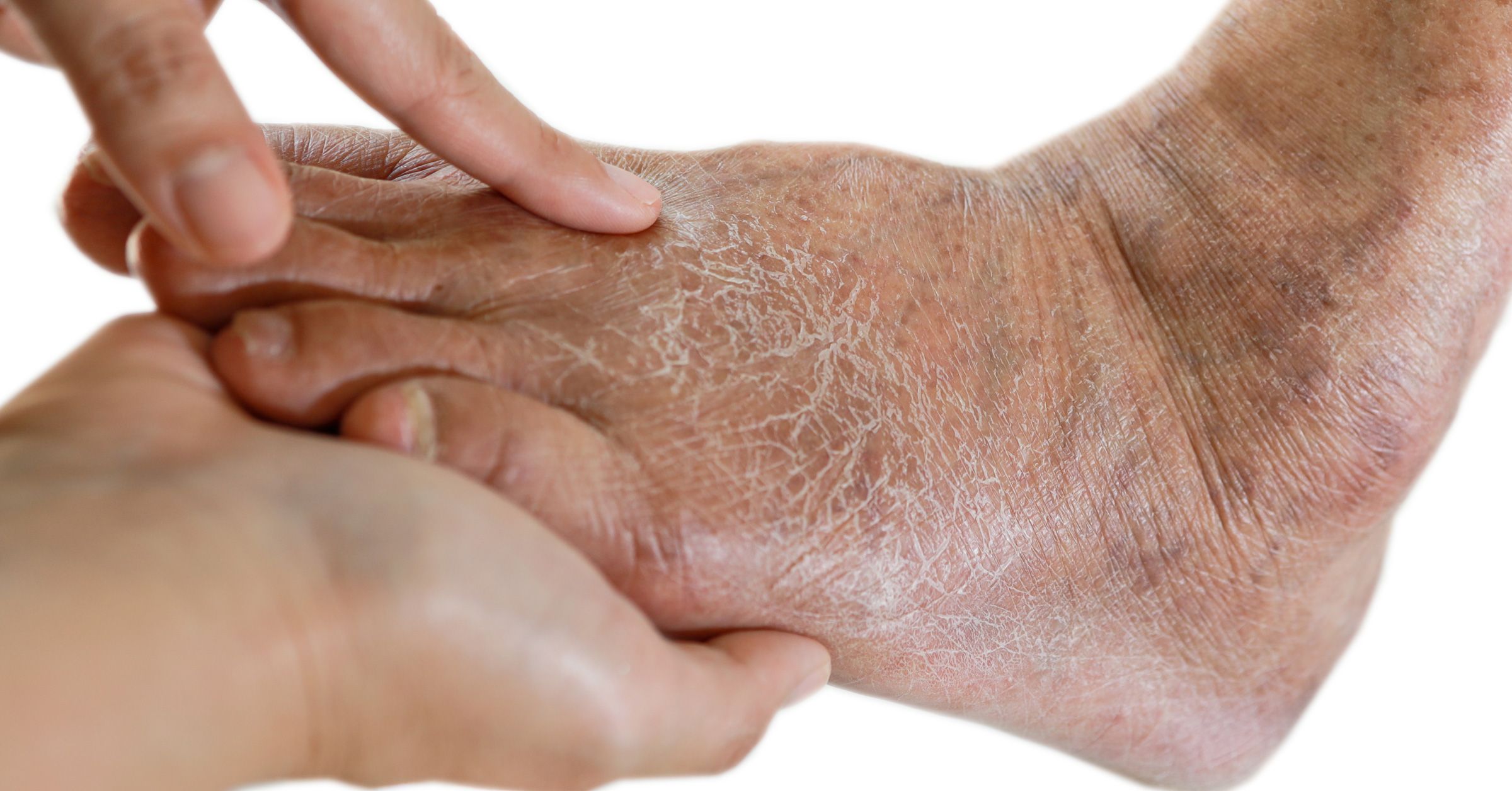
Heel Pain in the Morning: 7 Causes and What Actually Works
If the first few steps out of bed make you wince, you're not alone. I'm Funmi Obi, an MSK podiatrist in Hayes, and in this guide I explain why heel pain is worse in the morning, the 7 most common causes, what you can try at home, and when to get assessed.
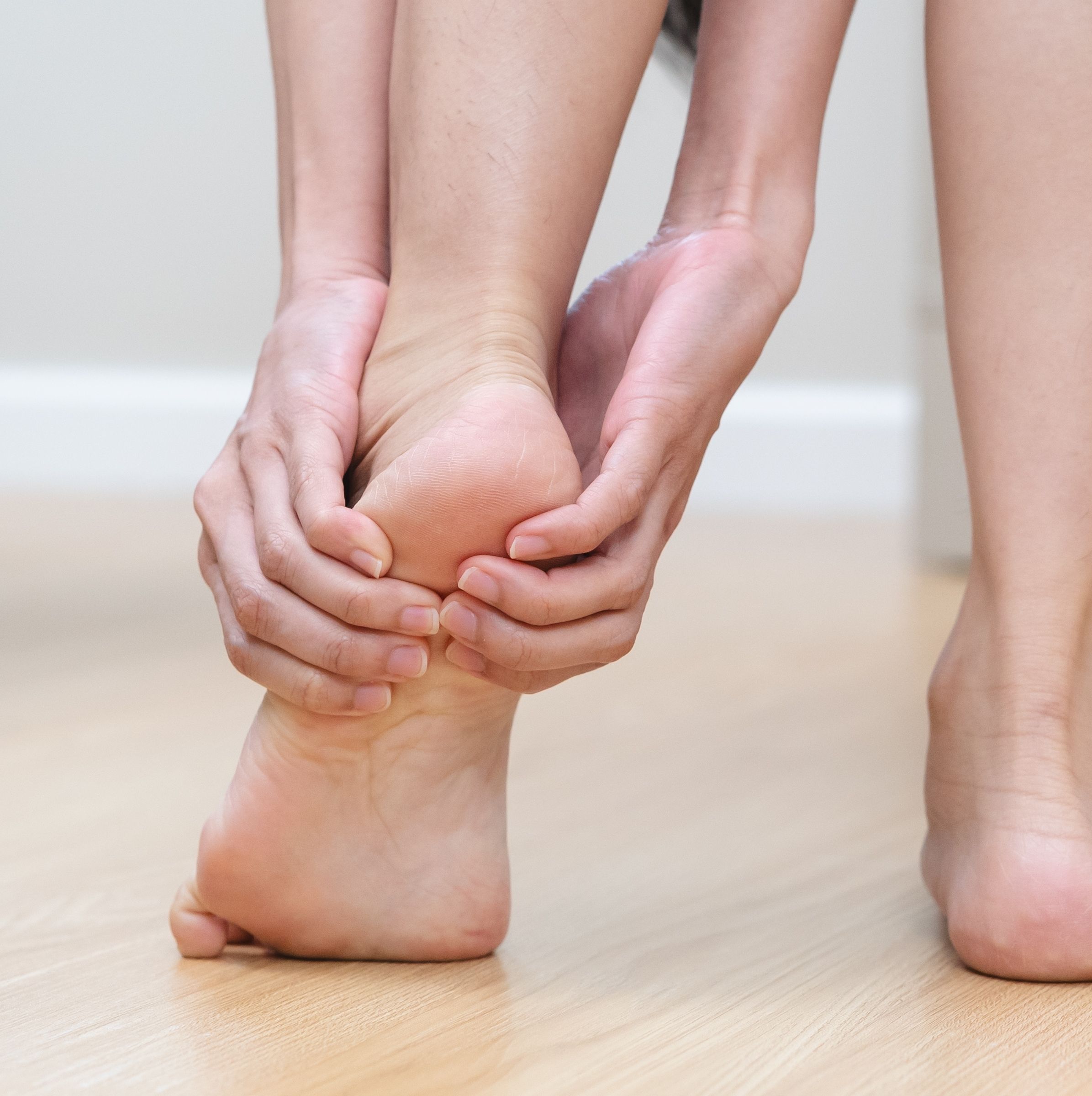
Heel Pain in the Morning: 7 Causes and What Actually Works
If the first few steps out of bed make you wince, you're not alone. Heel pain is one of the most common reasons people book to see a podiatrist, and morning pain is one of its classic signs.
I'm Funmi Obi, an MSK podiatrist and founder of Chiltern Wellbeing Foot & Ankle Clinic in Hayes. In this guide I'll explain why heel pain is often worst first thing in the morning, the seven most common causes, what you can safely try at home, and when it's time to get properly assessed.
Why is heel pain worse in the morning?
While you sleep, your feet usually rest in a relaxed, pointed-toe position. The tissues on the underside of the foot and the back of the heel tighten up. When you stand, they're suddenly stretched under your full body weight, which is why the first steps hurt. The pain often eases after a few minutes of walking, then returns after long periods of standing or after sitting and getting up again.
7 common causes of heel pain
1. Plantar fasciitis (the most common cause) The plantar fascia is a thick band of tissue running from your heel to your toes. When it is overloaded, it becomes painful, typically at the inside of the heel. Pain is sharpest with the first steps of the day or after rest.
2. Heel fat pad irritation The fat pad under your heel acts as a natural cushion. If it thins or is bruised, for example from hard floors, thin-soled shoes or impact, you may feel a deep, bruise-like ache in the centre of the heel.
3. Achilles tendinopathy Pain at the back of the heel, or just above it, with stiffness in the morning. It is common in runners and in people who have recently increased their activity.
4. Heel spurs A heel spur is a small bony growth. Many people have one without any pain, and the spur is often not the real source of the problem. Soft tissue overload around it usually is.
5. Sever's disease (children and teens) In growing children, the growth plate at the back of the heel can become irritated by sport. It is a common cause of heel pain in active 8 to 14 year olds.
6. Stress reaction or stress fracture Pain that builds with activity, is sore to press on the heel bone and doesn't ease with walking needs prompt assessment.
7. Nerve irritation Burning, tingling or shooting pain can suggest a trapped nerve near the heel or in the ankle. This needs a professional diagnosis.
What you can try at home
For suspected plantar fasciitis or general heel overload, these steps are a sensible starting point:
- Stretch before you stand. Before getting out of bed, pull your toes back towards you for 20 to 30 seconds, and repeat a few times. Gently stretch your calves too.
- Never walk barefoot on hard floors. Wear supportive slippers or trainers indoors for a few weeks.
- Check your everyday shoes. Worn-out soles, flat thin shoes and old trainers are common culprits.
- Manage your load. Reduce high-impact activity for a while rather than stopping everything. Avoid sudden increases in walking or running.
- Try a cushioned heel support or insole for short-term relief.
- Calf strengthening and plantar fascia loading exercises have good evidence behind them. An assessment helps you do these at the right level.
Avoid repeatedly stretching through sharp pain, and be wary of quick fixes that promise overnight results. Most heel pain improves with the right plan, but it can take weeks to months, so early, accurate advice saves time.
When to see a podiatrist
Book an assessment if:
- Your heel pain has lasted more than 2 to 4 weeks
- It is getting worse, or waking you at night
- You have swelling, redness, or you can't put weight on the foot
- You have diabetes, poor circulation or reduced sensation in your feet
- The pain followed an injury
- It is affecting your sleep, work, exercise or walking
What happens at a heel pain assessment at Chiltern Wellbeing
At our clinic in Hayes, an assessment goes beyond looking at the heel:
- A full history. When it started, what makes it better or worse, your activity, work and footwear.
- A biomechanical and MSK assessment. We examine how your foot, ankle, calf and hip move and load, because the heel is often where the problem shows up, not where it starts.
- A clear diagnosis. So that you know what is causing your pain.
- A personalised plan. This may include load advice, exercises, footwear guidance, taping, shockwave therapy, steroid injection therapy and where appropriate custom orthotics.
- Onward referral for imaging or further treatment if needed.
Heel pain responds best when it's treated early. If you're in Hayes, Uxbridge, Southall, Hillingdon, Ealing or elsewhere in west London, we'd be glad to help you get back on your feet.
[Book an appointment] | Chiltern Wellbeing Foot & Ankle Clinic, 645 Uxbridge Road, Hayes, Middlesex, UB4 8HS